Affordable crm software for small business: Top 7 Affordable CRM Software for Small Business in 2025

Running a small business means wearing many hats—and managing customer relationships shouldn’t be the heaviest one. The right affordable CRM software for small business can automate follow-ups, track leads, and boost sales without breaking the bank. Let’s explore the best tools that deliver maximum value for minimal cost.


Why Affordable CRM Software for Small Business Is a Game-Changer

Small businesses often operate with tight budgets and limited staff. Yet, customer relationship management (CRM) is critical for growth, retention, and scalability. Affordable CRM software for small business bridges the gap between enterprise-level functionality and budget-friendly pricing. These tools help streamline communication, organize customer data, and improve sales efficiency—all without requiring a six-figure investment.
Boosting Sales with Minimal Overhead
One of the primary benefits of affordable CRM software for small business is its ability to enhance sales performance without increasing operational costs. By automating repetitive tasks like data entry, follow-up emails, and appointment scheduling, teams can focus on building relationships rather than administrative work.
- Automated lead tracking reduces manual errors
- Task reminders keep sales pipelines moving
- Integration with email and calendars saves hours per week
According to a study by Nucleus Research, businesses gain an average of $8.71 for every dollar spent on CRM, making it one of the highest ROI investments a small business can make. Source: Nucleus Research.
Improving Customer Retention and Satisfaction
Customer retention is often more cost-effective than acquisition. Affordable CRM software for small business helps maintain consistent communication, track support tickets, and personalize interactions based on customer history.
- Centralized customer profiles enable personalized service
- Automated feedback requests improve response rates
- Service ticket tracking ensures no inquiry goes unanswered
“A CRM isn’t just a database—it’s a relationship engine.” — Salesforce Blog
Key Features to Look for in Affordable CRM Software for Small Business
Not all CRM systems are created equal. When evaluating affordable CRM software for small business, focus on features that align with your operational needs and growth goals. Prioritize tools that offer scalability, ease of use, and integration capabilities.
Contact and Lead Management
The foundation of any CRM is its ability to store and organize customer information. Look for software that allows you to track leads from first contact through conversion, with customizable fields and tagging options.
- Drag-and-drop pipeline views for visual tracking
- Custom fields for industry-specific data
- Duplicate detection to maintain data hygiene
Tools like HubSpot CRM offer free plans with robust contact management, making them ideal for startups. HubSpot CRM is a prime example of feature-rich yet affordable CRM software for small business.
Automation and Workflow Tools
Automation is a force multiplier for small teams. The best affordable CRM software for small business includes workflow automation that triggers actions based on user behavior or time-based events.
- Email sequences triggered by lead actions
- Task assignments when a deal stage changes
- Auto-logging calls and emails from integrated platforms
For example, Zoho CRM’s Blueprint feature allows users to create multi-step approval workflows without coding, ideal for sales or onboarding processes.
Mobile Access and Offline Functionality
Small business owners are rarely at a desk. Mobile access ensures your team can update records, log calls, or check pipelines from anywhere.
- Native iOS and Android apps with full functionality
- Offline mode for data entry in low-connectivity areas
- Push notifications for task deadlines and new leads
Insightly, for instance, offers a powerful mobile app that syncs seamlessly with its desktop version, making it a top contender among affordable CRM software for small business.
Top 7 Affordable CRM Software for Small Business in 2025
After extensive research and user feedback analysis, we’ve compiled a list of the top 7 affordable CRM software for small business that deliver exceptional value, usability, and scalability.
1. HubSpot CRM
HubSpot CRM is a leader in the affordable CRM space, offering a powerful free plan that includes contact management, email tracking, deal pipelines, and live chat.
- Free forever plan with no user limits
- Seamless integration with Gmail and Outlook
- Marketing, sales, and service hubs available as paid upgrades
Its intuitive interface and extensive knowledge base make onboarding effortless. For businesses planning to scale, HubSpot’s ecosystem grows with you. Learn more at HubSpot.
2. Zoho CRM
Zoho CRM strikes an excellent balance between affordability and advanced features. Its free plan supports up to three users, while paid plans start at just $14/user/month.
- AI-powered assistant (Zia) for predictive forecasting
- Customizable dashboards and reports
- Strong integration with Zoho’s suite of business apps
Zoho CRM is particularly popular among service-based businesses and consultants. Its workflow automation and territory management tools are unmatched in its price range. Visit Zoho CRM.
3. Freshsales (by Freshworks)
Freshsales is designed for sales-driven small businesses. It offers built-in phone, email, and chat capabilities, making it a complete communication hub.
- AI-based lead scoring to prioritize hot prospects
- Visual deal pipeline with drag-and-drop functionality
- Free plan available with up to 10 users
Its clean UI and real-time activity tracking make it easy to monitor team performance. Freshsales is a standout among affordable CRM software for small business with active sales teams. Explore Freshsales.
4. Insightly
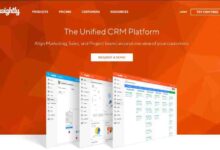
Insightly combines CRM with project management, making it ideal for small businesses managing client projects or complex sales cycles.
- Project and task tracking within the CRM
- Relationship linking to map customer networks
- Workflow automation and email integration
Pricing starts at $29/user/month, with a 14-day free trial. While slightly pricier than others, its dual functionality justifies the cost for many teams. Check out Insightly.
5. Agile CRM
Agile CRM is an all-in-one solution that blends CRM, marketing automation, and telephony. It’s perfect for startups wanting maximum features at a low cost.
- Free plan for up to 10 users with basic features
- Website tracking and pop-up forms included
- Built-in VoIP calling and email campaigns
While the interface can feel cluttered, its feature density makes it a powerful choice. Agile CRM is a top pick for affordable CRM software for small business on a tight budget. Visit Agile CRM.
6. Bitrix24
Bitrix24 is a feature-rich platform offering CRM, collaboration tools, and workflow automation. It’s especially popular among remote teams.
- Free plan for up to 12 users with unlimited contacts
- Task management, document sharing, and video conferencing
- Visual workflow builder for automation
Its CRM module includes lead tracking, deal pipelines, and telephony. While not as sales-focused as others, its breadth of tools makes it a strong contender. Learn more at Bitrix24.
7. Capsule CRM
Capsule CRM is a simple, no-frills CRM ideal for small teams needing straightforward contact and sales tracking.
- Easy-to-use interface with minimal learning curve
- Integration with Google Workspace and Mailchimp
- Tasks, calendar, and sales pipeline management
Pricing starts at $18/user/month, with a free trial available. It lacks advanced automation but excels in usability and reliability. Explore Capsule CRM.
How to Choose the Best Affordable CRM Software for Small Business
Selecting the right CRM isn’t just about price—it’s about fit. The best affordable CRM software for small business aligns with your team size, industry, and growth plans.
Assess Your Business Needs
Start by identifying your pain points. Are you losing leads due to poor follow-up? Struggling to track customer interactions? Need better reporting?
- Map out your sales process from lead to close
- List essential features (e.g., email integration, mobile access)
- Determine user count and scalability needs
This clarity will help you avoid overpaying for unused features or under-equipping your team.
Test with Free Trials and Demos
Most affordable CRM software for small business offers free trials or freemium plans. Use these to test usability, integration, and performance.
- Invite team members to test the interface
- Import sample data to check data handling
- Test key workflows like lead assignment and follow-up
For example, HubSpot and Freshsales offer sandbox environments for testing without commitment.
Check Integration and Scalability
Your CRM should work seamlessly with tools you already use—email, accounting software, marketing platforms.
- Verify integration with Gmail, Outlook, QuickBooks, or Slack
- Check API availability for custom integrations
- Review upgrade paths as your business grows
A CRM that integrates well reduces data silos and boosts productivity. Zapier can extend integration capabilities for many CRMs.
Common Mistakes to Avoid When Implementing Affordable CRM Software for Small Business
Even the best affordable CRM software for small business can fail if implemented poorly. Avoid these common pitfalls to ensure success.
Poor Data Migration and Cleanup
Migrating messy or outdated data into a new CRM can cripple its effectiveness. Take time to clean your contact lists before import.
- Remove duplicates and incomplete records
- Standardize naming conventions and formatting
- Use CSV templates provided by the CRM vendor
Tools like Import.io can help extract and clean data from websites or spreadsheets.
Lack of Team Training and Adoption
A CRM is only as good as the team using it. Without proper training, adoption rates plummet.
- Provide hands-on training sessions
- Assign a CRM champion within the team
- Start with core features before introducing advanced tools
“Technology is only as effective as the people who use it.” — Peter Drucker
Over-Customization Too Early
While customization is powerful, overdoing it early can lead to complexity and confusion.
- Begin with default settings and workflows
- Customize only after identifying recurring needs
- Document all changes for future reference
Focus on consistency before complexity to ensure long-term usability.
Future Trends in Affordable CRM Software for Small Business
The CRM landscape is evolving rapidly, with AI, automation, and mobile-first design shaping the future of affordable CRM software for small business.
AI-Powered Insights and Predictions
Artificial intelligence is no longer a luxury. Modern CRMs use AI to predict deal outcomes, recommend next steps, and automate responses.
- Zia in Zoho CRM suggests optimal follow-up times
- HubSpot’s AI writes email subject lines and content
- Freshsales uses AI to score leads based on engagement
These tools help small teams act like large, data-driven organizations.
Increased Focus on Mobile and Remote Work
As remote work becomes standard, CRM platforms are prioritizing mobile functionality and offline access.
- Offline data entry with auto-sync when online
- Voice-to-text note-taking in mobile apps
- Location-based task reminders
Insightly and Bitrix24 are leading this shift with robust mobile experiences.
Deeper Integration with E-commerce and Social Media
Small businesses increasingly sell through multiple channels. Future CRM tools will offer tighter integration with Shopify, Instagram, and Facebook.
- Automated lead capture from social media inquiries
- Sales data syncing from e-commerce platforms
- Unified customer profiles across online and offline touchpoints
Platforms like HubSpot and Zoho are already expanding these capabilities.
Maximizing ROI with Affordable CRM Software for Small Business
Investing in affordable CRM software for small business isn’t just about cutting costs—it’s about maximizing returns through smarter workflows and better customer relationships.
Track Key Performance Metrics
Use your CRM’s reporting tools to monitor sales cycle length, conversion rates, and customer lifetime value.
- Set up dashboards for real-time performance tracking
- Compare team member performance to identify coaching needs
- Use funnel reports to spot bottlenecks in the sales process
Regular analysis helps refine strategies and improve outcomes.
Automate Customer Onboarding and Retention
Post-sale engagement is crucial. Use your CRM to automate welcome emails, onboarding checklists, and follow-up surveys.
- Create automated sequences for new customers
- Schedule check-ins at key milestones
- Trigger support tickets based on customer behavior
This proactive approach boosts satisfaction and reduces churn.
Leverage CRM Data for Marketing Campaigns
Your CRM is a goldmine of customer insights. Use segmentation and behavioral data to create targeted marketing campaigns.
- Group contacts by purchase history or interests
- Send personalized offers based on lifecycle stage
- Measure campaign ROI directly within the CRM
Integrated tools like Mailchimp and ActiveCampaign make this seamless.
What is the best affordable CRM software for small business with a free plan?
HubSpot CRM and Zoho CRM offer the most robust free plans. HubSpot allows unlimited users and includes email tracking, deal pipelines, and live chat. Zoho CRM’s free plan supports up to three users and includes contact and deal management. Both are excellent starting points for small businesses.
Can affordable CRM software for small business handle sales automation?
Yes, most affordable CRM software for small business includes sales automation features like email sequences, task reminders, lead scoring, and workflow rules. Tools like Freshsales and Agile CRM offer advanced automation even in their free or entry-level plans.
How much should a small business expect to pay for CRM software?
Prices vary, but most small businesses can find effective solutions between $0 and $50 per user per month. Free plans from HubSpot, Zoho, and Bitrix24 are suitable for startups, while growing teams may invest $15–$30/user/month for more features.
Is it safe to use free CRM software for small business?
Yes, reputable free CRM software like HubSpot, Zoho, and Bitrix24 use enterprise-grade security, including data encryption and compliance with GDPR and CCPA. However, always review the provider’s privacy policy and backup procedures before storing sensitive data.
Do I need technical skills to use affordable CRM software for small business?
No, most affordable CRM software for small business is designed for non-technical users. They feature intuitive interfaces, drag-and-drop builders, and extensive help centers. Many also offer onboarding support and video tutorials to ease adoption.
Choosing the right affordable CRM software for small business can transform how you manage customer relationships. From HubSpot’s free powerhouse to Zoho’s AI-driven insights, the options are diverse and accessible. Focus on your specific needs, test before committing, and prioritize tools that grow with you. With the right CRM, even the smallest team can operate like a well-oiled machine—driving sales, enhancing service, and building lasting customer loyalty.
Recommended for you 👇
Further Reading: