Crm database software for small business: Top 7 CRM Database Software for Small Business in 2024

Running a small business in today’s fast-paced digital world means staying ahead of customer relationships. The right CRM database software for small business can transform how you manage leads, track sales, and deliver service—making growth not just possible, but inevitable.
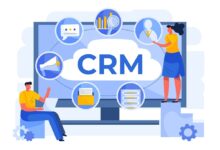


Why CRM Database Software for Small Business Is a Game-Changer

For small businesses, every customer interaction counts. A CRM (Customer Relationship Management) database software acts as a centralized hub for all customer data, interactions, and sales pipelines. It’s not just about storing names and emails—it’s about building smarter relationships and driving revenue with precision.
Centralized Customer Data Management
One of the biggest challenges small businesses face is scattered customer information—emails in inboxes, notes in spreadsheets, calls logged in phones. CRM database software for small business consolidates all this data into one secure, accessible platform.
- Stores contact details, purchase history, and communication logs
- Enables quick access across teams and devices
- Reduces data duplication and human error
This centralization means your sales and support teams can act faster and more accurately, improving customer satisfaction and retention.
Improved Sales Efficiency and Tracking
Sales teams in small businesses often wear multiple hats. CRM tools streamline the sales process by automating follow-ups, tracking deal stages, and forecasting revenue.
- Visual pipelines show where each lead stands
- Automated reminders prevent missed opportunities
- Performance analytics help refine strategies
“A CRM isn’t just a database—it’s a sales accelerator.” — Forbes
With real-time insights, small businesses can prioritize high-value leads and close deals faster.
Key Features to Look for in CRM Database Software for Small Business
Not all CRM systems are created equal. For small businesses, the ideal CRM should be affordable, easy to use, and scalable. Here are the must-have features that make a CRM truly effective.
User-Friendly Interface and Onboarding
Small teams don’t have time for steep learning curves. The best CRM database software for small business offers intuitive dashboards, drag-and-drop functionality, and quick setup.
- Minimal training required
- Mobile-friendly design for on-the-go access
- Guided onboarding tours and tutorials
Platforms like Zoho CRM excel in this area, offering a clean interface that new users can master in hours.
Automation and Workflow Tools
Automation is a force multiplier for small teams. Look for CRM systems that allow you to automate repetitive tasks like email follow-ups, task assignments, and lead scoring.
- Set up drip email campaigns based on user behavior
- Trigger actions when a lead reaches a certain stage
- Sync with calendars and task managers
For example, HubSpot CRM offers powerful automation tools that help small businesses nurture leads without hiring extra staff.
Integration with Essential Business Tools
Your CRM shouldn’t exist in a vacuum. It should seamlessly connect with your email, calendar, accounting software, and marketing platforms.
- Sync with Gmail, Outlook, and Microsoft 365
- Integrate with tools like QuickBooks, Mailchimp, and Slack
- Support for APIs to build custom connections
Strong integration capabilities ensure data flows smoothly across your tech stack, reducing manual entry and errors.
Top 7 CRM Database Software for Small Business in 2024
After extensive research and user feedback analysis, we’ve compiled a list of the top 7 CRM database software for small business that deliver exceptional value, functionality, and scalability.
1. HubSpot CRM
HubSpot CRM is a favorite among small businesses for its powerful free plan and seamless integration with marketing, sales, and service tools.
- Free forever plan with core CRM features
- Excellent email tracking and meeting scheduling
- Advanced reporting and deal forecasting
Its intuitive design and robust ecosystem make it ideal for startups and growing businesses. Learn more at HubSpot’s official site.
2. Zoho CRM
Zoho CRM offers a highly customizable platform with AI-powered insights and strong automation capabilities.
- Adaptive AI for lead scoring and sales predictions
- Multi-channel communication (email, phone, social)
- Extensive app marketplace for integrations
It’s particularly strong for businesses with complex sales cycles. Visit Zoho CRM to explore its features.
3. Salesforce Essentials
Salesforce, a leader in the CRM space, offers Essentials—a streamlined version designed specifically for small businesses.
- Simple setup with pre-built workflows
- Mobile app for field sales teams
- Real-time collaboration tools
While more expensive than some competitors, it offers enterprise-grade reliability. Check it out at Salesforce Essentials.
4. Freshsales (by Freshworks)
Freshsales combines a modern interface with powerful AI-driven insights and phone integration.
- Integrated VoIP calling and call recording
- Behavioral tracking to identify hot leads
- Visual deal pipeline with drag-and-drop functionality
It’s perfect for sales-driven small businesses. Learn more at Freshworks CRM.
crm database software for small business – Crm database software for small business menjadi aspek penting yang dibahas di sini.
5. Pipedrive
Pipedrive is built for sales-focused teams who want a visual, pipeline-first approach.
- Drag-and-drop sales pipeline management
- Activity-based reminders and scheduling
- Strong reporting and forecasting tools
Its simplicity makes it a top choice for small sales teams. Explore it at Pipedrive.
6. Insightly
Insightly stands out for its project management integration, making it ideal for service-based small businesses.
- Link CRM records to projects and tasks
- Customer lifecycle tracking from lead to retention
- Workflow automation and email integration
It’s a great fit for consultants, agencies, and contractors. Visit Insightly for details.
7. Agile CRM
Agile CRM offers an all-in-one solution with marketing, sales, and service features at an affordable price.
- Marketing automation with email campaigns
- Web tracking and lead scoring
- Free plan with limited but useful features
While the interface can feel cluttered, its value for money is hard to beat. Learn more at Agile CRM.
How to Choose the Right CRM Database Software for Small Business
Selecting the right CRM isn’t just about features—it’s about fit. Here’s a step-by-step guide to help you make the best decision for your business.
Assess Your Business Needs and Goals
Start by identifying what you want to achieve with a CRM. Are you looking to improve lead conversion? Streamline customer support? Automate marketing?
- Define your primary use case (sales, marketing, service)
- List must-have features vs. nice-to-have
- Consider future growth and scalability
This clarity will help you avoid overpaying for unnecessary features or underestimating your needs.
Evaluate Pricing and Scalability
Most CRM database software for small business offers tiered pricing. While free plans are tempting, they often lack advanced features or user limits.
- Compare per-user costs as your team grows
- Check for hidden fees (e.g., for integrations or support)
- Look for annual billing discounts
For example, HubSpot’s free plan is excellent for starters, but upgrading to paid tiers unlocks automation and reporting tools essential for growth.
Test with Free Trials and Demos
Never commit without testing. Most top CRM platforms offer free trials or live demos.
- Invite key team members to test the interface
- Simulate real workflows (e.g., adding a lead, sending an email)
- Check mobile app functionality and speed
Hands-on experience is the best way to gauge usability and fit.
Common Challenges and How to Overcome Them
Implementing a CRM database software for small business isn’t always smooth. Here are common hurdles and how to tackle them.
Low Team Adoption
Even the best CRM fails if your team doesn’t use it. Resistance often comes from fear of complexity or added workload.
- Involve team members in the selection process
- Provide training and ongoing support
- Start with simple workflows and expand gradually
Leadership buy-in and clear communication about benefits can significantly boost adoption.
Data Migration Issues
Moving data from spreadsheets or legacy systems can be messy. Poor data quality leads to duplicates, inaccuracies, and frustration.
- Clean your data before migration (remove duplicates, standardize formats)
- Use built-in import tools or third-party migration services
- Test with a small dataset first
Platforms like Zoho and HubSpot offer excellent data import wizards to simplify the process.
Underutilizing Features
Many small businesses only use basic contact management, missing out on automation, reporting, and analytics.
- Assign a CRM champion to explore and train others
- Set quarterly goals to adopt new features
- Use vendor resources like webinars and knowledge bases
“The ROI of a CRM isn’t in the software—it’s in how you use it.” — Harvard Business Review
Future Trends in CRM Database Software for Small Business
The CRM landscape is evolving rapidly, driven by AI, mobile access, and deeper integrations. Staying ahead means understanding where the technology is headed.
AI-Powered Insights and Predictions
Artificial intelligence is no longer a luxury—it’s becoming standard in CRM tools. AI can analyze customer behavior, predict churn, and recommend next-best actions.
- Zoho CRM’s Zia AI assistant offers voice commands and smart alerts
- HubSpot uses AI for content suggestions and lead scoring
- Pipedrive’s AI automates data entry and follow-up timing
For small businesses, AI levels the playing field, offering insights once reserved for large enterprises.
crm database software for small business – Crm database software for small business menjadi aspek penting yang dibahas di sini.
Mobile-First CRM Experiences
With remote work and field sales on the rise, mobile CRM access is essential.
- Offline mode for data entry without internet
- Push notifications for urgent tasks
- Mobile calling and email integration
Platforms like Salesforce and Freshsales offer robust mobile apps that keep teams connected on the go.
Deeper Ecosystem Integrations
The future of CRM lies in seamless connectivity. Expect tighter integration with e-commerce platforms, social media, and customer service tools.
- Sync Shopify orders directly to CRM records
- Track social media interactions within the CRM
- Automate support tickets from email or chat
These integrations create a 360-degree view of the customer, enabling hyper-personalized experiences.
Maximizing ROI from Your CRM Database Software for Small Business
Investing in a CRM is only the first step. To truly benefit, you need a strategy to maximize return on investment.
Set Clear KPIs and Track Performance
Define what success looks like. Is it increased sales conversion? Faster response times? Higher customer retention?
- Track metrics like lead-to-customer rate, average deal size, and sales cycle length
- Use CRM dashboards to monitor progress
- Adjust strategies based on data insights
Regular reporting keeps your team focused and accountable.
Train and Empower Your Team
A CRM is only as good as the people using it. Invest in ongoing training and encourage feedback.
- Host monthly CRM workshops
- Create internal documentation and cheat sheets
- Recognize and reward top users
Empowered teams are more likely to adopt and innovate with the tool.
Continuously Optimize Workflows
Your business evolves—so should your CRM. Regularly review and refine your processes.
- Identify bottlenecks in your sales funnel
- Automate repetitive tasks you’ve identified
- Integrate new tools as your needs grow
Small tweaks can lead to big efficiency gains over time.
What is CRM database software for small business?
CRM database software for small business is a digital platform that helps small companies manage customer interactions, store contact information, track sales pipelines, and automate marketing efforts—all in one centralized system.
Is there a free CRM database software for small business?
Yes, several CRM platforms offer free plans, including HubSpot CRM, Zoho CRM, and Agile CRM. These free versions typically include core features like contact management, email tracking, and basic reporting, making them ideal for startups and very small teams.
How much does CRM database software for small business cost?
Prices vary widely. Free plans are available, while paid plans typically range from $10 to $50 per user per month. Factors like features, number of users, and integrations affect the final cost.
Can CRM software help with customer retention?
Absolutely. CRM software helps track customer interactions, purchase history, and support tickets, enabling personalized follow-ups and proactive service. This leads to stronger relationships and higher retention rates.
How long does it take to implement a CRM for a small business?
Implementation time depends on the complexity of the CRM and the amount of data to migrate. Simple CRMs like HubSpot can be set up in a day, while more complex systems may take a few weeks with proper training and data cleanup.
Choosing the right CRM database software for small business is one of the most impactful decisions you can make. From boosting sales efficiency to enhancing customer relationships, the benefits are clear. By evaluating your needs, testing options, and committing to continuous improvement, you can turn your CRM into a powerful engine for growth. The future of small business success is not just about working harder—it’s about working smarter with the right tools.
crm database software for small business – Crm database software for small business menjadi aspek penting yang dibahas di sini.
Recommended for you 👇
Further Reading: