Inexpensive crm software for small business: 7 Best Inexpensive CRM Software for Small Business in 2024

Looking for powerful yet affordable CRM tools? Discover the best inexpensive CRM software for small business that boosts sales, streamlines workflows, and grows your customer base—without breaking the bank.


Why Inexpensive CRM Software for Small Business Matters

For small businesses, every dollar counts. Investing in the right technology can mean the difference between scaling efficiently and struggling to keep up. Customer Relationship Management (CRM) systems are no longer reserved for large enterprises. Today, inexpensive CRM software for small business offers robust features at a fraction of the cost, enabling startups and SMEs to manage leads, track interactions, and improve customer retention.
Cost Efficiency Without Compromising Quality
One of the biggest misconceptions is that low cost equals low quality. However, many modern CRM platforms are built with scalability and affordability in mind. These tools often use a freemium model or tiered pricing, allowing small businesses to start with essential features and upgrade as they grow. According to Gartner, the small business CRM market is expected to grow by 12% annually through 2025, driven by demand for affordable, cloud-based solutions.
- Many inexpensive CRM software for small business offer free plans with core features.
- Pay-as-you-grow models reduce financial risk.
- Cloud-based deployment eliminates expensive hardware costs.
Improved Customer Retention and Sales Conversion
CRM systems help businesses track every interaction with prospects and customers. This visibility allows teams to follow up promptly, personalize communication, and close deals faster. A study by Nucleus Research found that businesses using CRM see an average return of $8.71 for every dollar spent. Even inexpensive CRM software for small business can deliver measurable ROI by reducing missed opportunities and improving sales efficiency.
“A CRM isn’t just a database—it’s a strategic tool that turns customer data into revenue.” — Forbes
Top 7 Inexpensive CRM Software for Small Business in 2024
Choosing the right CRM can be overwhelming. To help you decide, we’ve evaluated dozens of platforms based on pricing, ease of use, feature set, scalability, and customer support. Here are the top 7 inexpensive CRM software for small business that deliver exceptional value.
1. HubSpot CRM
HubSpot CRM is widely regarded as the gold standard for free CRM solutions. It offers a powerful, intuitive platform that’s perfect for startups and growing businesses. The free plan includes contact management, email tracking, deal pipelines, and live chat—features that would cost hundreds per month on other platforms.
- Free forever plan with no user limits.
- Seamless integration with Gmail, Outlook, and HubSpot’s marketing tools.
- Automated workflows and task reminders.
For businesses needing more advanced features, paid tiers start at $20/month. HubSpot’s transparency and user-friendly interface make it a top choice for inexpensive CRM software for small business. Learn more at HubSpot’s official site.
2. Zoho CRM
Zoho CRM strikes an excellent balance between affordability and functionality. With a free plan for up to three users and paid plans starting at $14/user/month, it’s ideal for small teams. Zoho CRM is particularly strong in automation, lead scoring, and AI-powered insights via Zia, its virtual assistant.
- Customizable sales pipelines and workflows.
- Mobile app with offline access.
- Strong integration ecosystem with over 500 apps.
Zoho CRM is also GDPR-compliant and offers excellent data security, making it a trustworthy option. Visit Zoho CRM to explore its features.
3. Freshsales (by Freshworks)
Freshsales is designed for sales-driven teams that want speed and simplicity. Its AI-powered lead scoring and built-in phone and email tools make it easy to prioritize high-value prospects. The free plan supports up to 10 users, and paid plans start at $15/user/month.
- Visual deal pipeline with drag-and-drop functionality.
- Activity capture from email and calls.
- Real-time sales analytics and forecasting.
Freshsales stands out for its clean interface and fast onboarding. It’s a great fit for small businesses that want a no-fuss CRM with smart automation. More details at Freshworks CRM.
4. Agile CRM
Agile CRM combines CRM, marketing automation, and helpdesk features in one affordable package. The free plan supports up to 10 users and includes contact management, email campaigns, and basic telephony. Paid plans start at $14.99/user/month.
- All-in-one platform reduces the need for multiple tools.
- Website tracking and visitor identification.
- Task automation and calendar sync.
While not as polished as HubSpot or Zoho, Agile CRM offers exceptional value for businesses on a tight budget. It’s one of the most feature-rich inexpensive CRM software for small business. Explore it at Agile CRM.
5. Capsule CRM
Capsule CRM is a minimalist, user-friendly option perfect for service-based businesses like consultants, freelancers, and agencies. It focuses on simplicity and core CRM functions without overwhelming users with complex features.
- Free plan for up to two users.
- Task and opportunity tracking.
- Integration with Google Workspace, Mailchimp, and Xero.
Paid plans start at $18/user/month, making it slightly more expensive than others but still competitive. Capsule excels in usability and clean design. Learn more at Capsule CRM.
6. Bitrix24
Bitrix24 is a comprehensive work management platform that includes CRM, project management, communication tools, and file sharing. The free plan supports unlimited users (with some feature limitations), making it ideal for growing teams.
- Free plan includes CRM, tasks, calendar, and chat.
- Visual sales funnel and deal tracking.
- Open-source option for self-hosting.
While the interface can feel cluttered, Bitrix24 offers unmatched value for businesses wanting an all-in-one workspace. Paid plans start at $44/month for the entire company, not per user. Visit Bitrix24 for details.
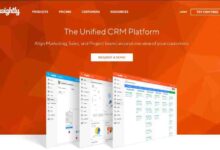
7. Insightly
Insightly is a strong contender for small businesses that need project and CRM integration. It’s particularly useful for companies managing client projects, such as marketing agencies or IT consultants.
- Project management with timelines and milestones.
- Lead and contact management with relationship linking.
- Workflow automation and email integration.
The free plan supports up to two users, and paid plans start at $29/user/month. While on the higher end, Insightly’s depth justifies the cost for project-focused teams. Explore it at Insightly.
Key Features to Look for in Inexpensive CRM Software for Small Business
Not all CRMs are created equal. When evaluating inexpensive CRM software for small business, focus on features that align with your operational needs. Avoid paying for tools you won’t use, but don’t sacrifice critical functionality either.
Contact and Lead Management
The core function of any CRM is organizing customer data. Look for software that allows you to store contact details, track communication history, and segment leads by status, source, or behavior.
- Custom fields to capture business-specific data.
- Duplicate detection to maintain clean databases.
- Import tools for migrating from spreadsheets or other systems.
A well-organized contact list ensures your team can personalize outreach and avoid missed follow-ups.
Sales Pipeline and Deal Tracking
A visual sales pipeline helps teams understand where each prospect stands in the buying journey. This transparency improves forecasting and accountability.
- Drag-and-drop deal stages.
- Automated reminders for follow-ups.
- Revenue forecasting based on pipeline data.
Even inexpensive CRM software for small business should offer basic pipeline functionality to support sales growth.
Automation and Workflow Tools
Automation saves time and reduces human error. Look for CRMs that allow you to automate repetitive tasks like email follow-ups, task creation, and data entry.
- Rule-based triggers (e.g., send email when lead reaches stage).
- Task assignment based on lead behavior.
- Integration with email and calendar apps.
“Automation isn’t about replacing people—it’s about empowering them to focus on high-value work.” — Harvard Business Review
How to Choose the Right Inexpensive CRM Software for Small Business
Selecting the best CRM isn’t just about price. It’s about fit. A tool that works for a retail store might not suit a consulting firm. Follow this step-by-step guide to make the right choice.
Assess Your Business Needs
Start by identifying your pain points. Are you losing leads? Struggling with follow-ups? Need better reporting? List your top three challenges and prioritize features that solve them.
- Service-based business? Focus on scheduling and client history.
- Sales-heavy? Prioritize pipeline and forecasting tools.
- Marketing-focused? Look for email integration and campaign tracking.
Matching CRM capabilities to your workflow ensures maximum adoption and ROI.
Consider Scalability and Integration
Choose a CRM that can grow with you. Will it support more users? Can it integrate with your accounting, email, or marketing tools?
- Check API availability for custom integrations.
- Look for native integrations with tools like Gmail, Slack, QuickBooks, or Mailchimp.
- Ensure mobile access for remote teams.
Platforms like Zoho and HubSpot offer extensive app marketplaces, making integration seamless.
Test Before You Commit
Most inexpensive CRM software for small business offers free trials or freemium plans. Use this to your advantage.
- Import sample data to test usability.
- Simulate real workflows (e.g., lead to deal).
- Gather feedback from team members who will use it daily.
Hands-on testing reveals usability issues that reviews might miss.
inexpensive crm software for small business – Inexpensive crm software for small business menjadi aspek penting yang dibahas di sini.
Common Mistakes to Avoid When Implementing CRM
Even the best inexpensive CRM software for small business can fail if implemented poorly. Avoid these common pitfalls to ensure success.
Poor Data Migration and Cleanup
Migrating messy or outdated data into a new CRM can cripple its effectiveness. Before importing, clean your spreadsheets: remove duplicates, standardize formats, and verify contact details.
- Use CSV templates provided by the CRM.
- Map fields correctly (e.g., “Company” to “Organization”).
- Test with a small batch before full import.
Garbage in, garbage out—clean data is the foundation of a successful CRM.
Lack of Team Training and Adoption
A CRM is only as good as the team using it. If employees don’t understand its value or how to use it, adoption will be low.
- Provide hands-on training sessions.
- Assign a CRM champion to answer questions.
- Start with simple workflows and expand gradually.
According to Salesforce, 74% of sales reps say they’re more productive with CRM—but only if they use it consistently.
Overcomplicating the Setup
Don’t try to automate everything on day one. Start with core functions: contact management, deal tracking, and basic follow-ups.
- Use default pipelines before creating custom ones.
- Enable automation gradually.
- Focus on high-impact activities first.
“The best CRM is the one your team actually uses.” — Entrepreneur Magazine
Real-World Benefits of Using Inexpensive CRM Software for Small Business
The impact of a well-implemented CRM goes beyond organization. It transforms how small businesses operate and grow.
Increased Sales Productivity
CRM tools reduce time spent on administrative tasks, allowing sales teams to focus on selling. Features like email tracking, automated reminders, and one-click logging mean reps spend less time typing and more time talking to customers.
- HubSpot users report a 27% increase in sales productivity.
- Automated follow-ups reduce lead response time from hours to minutes.
- Centralized data eliminates the need to search across emails and spreadsheets.
Even inexpensive CRM software for small business can deliver enterprise-level efficiency.
Better Customer Insights and Personalization
CRMs collect data from every touchpoint—emails, calls, website visits, and purchases. This data enables personalized communication that builds trust and loyalty.
- Track customer preferences and past interactions.
- Send targeted offers based on behavior.
- Identify upsell opportunities from purchase history.
Personalization isn’t just for big brands. Small businesses using CRM can compete by offering a more tailored experience.
Improved Collaboration Across Teams
CRMs break down silos between sales, marketing, and support. Everyone sees the same customer history, reducing miscommunication and improving service.
- Marketing can see which leads convert, refining campaigns.
- Support teams access purchase history for faster resolution.
- Managers get real-time visibility into team performance.
This alignment leads to a smoother customer journey and higher satisfaction.
Future Trends in Inexpensive CRM Software for Small Business
The CRM landscape is evolving rapidly. Small businesses that stay ahead of trends can gain a competitive edge.
AI and Predictive Analytics
Artificial intelligence is no longer a luxury. Modern CRMs use AI to predict lead scores, recommend next steps, and even draft emails.
- Zia in Zoho CRM suggests optimal follow-up times.
- HubSpot’s AI tools generate email subject lines and content.
- Predictive forecasting helps anticipate revenue trends.
These features, once exclusive to enterprise software, are now available in inexpensive CRM software for small business.
Mobile-First and Remote Access
With more teams working remotely, mobile CRM access is essential. Leading platforms offer full-featured apps for iOS and Android.
- Log calls and notes from the field.
- Update deal stages on the go.
- Receive real-time notifications.
Mobile functionality ensures your CRM is always within reach.
Integration with Ecosystems and Marketplaces
CRMs are becoming hubs that connect with other business tools. Expect deeper integrations with e-commerce, accounting, and communication platforms.
- Synchronize Shopify orders with CRM contacts.
- Sync invoices from QuickBooks to customer profiles.
- Link Slack conversations to deal records.
This interconnected approach reduces app switching and improves data accuracy.
What is the best inexpensive CRM software for small business with a free plan?
HubSpot CRM is widely considered the best free CRM for small businesses. It offers unlimited users, contact management, deal tracking, email integration, and live chat—all at no cost. Its intuitive interface and powerful automation make it ideal for startups and growing teams.
Can I use CRM software without technical skills?
Yes, most inexpensive CRM software for small business is designed for non-technical users. Platforms like HubSpot, Zoho, and Capsule offer drag-and-drop interfaces, guided setup, and extensive help centers. Many also provide video tutorials and customer support to assist with onboarding.
How much should a small business spend on CRM?
Small businesses can find effective CRM solutions for $0–$50 per user per month. Many start with free plans and upgrade as they grow. The key is to match the cost to your needs—avoid paying for features you won’t use.
Is cloud-based CRM safe for small businesses?
Yes, reputable cloud-based CRM providers use advanced security measures like encryption, multi-factor authentication, and regular backups. They often offer better security than on-premise systems, especially for small businesses without dedicated IT teams.
How long does it take to implement a CRM system?
Implementation time varies, but most small businesses can set up a basic CRM in 1–2 weeks. This includes data migration, team training, and workflow configuration. Starting with a simple setup and expanding over time reduces disruption.
Choosing the right inexpensive CRM software for small business can transform how you manage customers, close deals, and grow revenue. From free options like HubSpot to feature-rich platforms like Zoho and Insightly, there’s a solution for every budget and need. Focus on ease of use, essential features, and scalability. Avoid common mistakes like poor data cleanup and lack of training. With the right CRM, even a small team can operate like a well-oiled machine. The future of CRM is smart, mobile, and integrated—start exploring today and give your business the competitive edge it deserves.
inexpensive crm software for small business – Inexpensive crm software for small business menjadi aspek penting yang dibahas di sini.
Recommended for you 👇
Further Reading: