In today’s fast-paced digital world, business enterprise solutions are no longer optional—they’re essential for survival and growth. From automating workflows to enhancing data security, the right strategies can revolutionize how your organization operates.
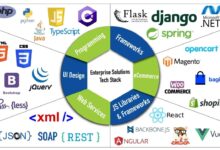

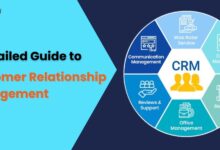

What Are Business Enterprise Solutions?

At their core, business enterprise solutions are integrated software systems and strategic frameworks designed to streamline operations, improve decision-making, and boost overall efficiency across large organizations. These solutions are not one-size-fits-all; instead, they are tailored to meet the complex needs of enterprises operating at scale.
Defining Enterprise-Level Systems
Enterprise systems go beyond basic software tools. They encompass comprehensive platforms that connect various departments—finance, HR, supply chain, sales, and customer service—into a unified ecosystem. Examples include ERP (Enterprise Resource Planning), CRM (Customer Relationship Management), and SCM (Supply Chain Management) systems.
- They operate across multiple departments and geographies.
- They handle massive volumes of data in real time.
- They support compliance, scalability, and long-term strategic goals.
According to Gartner, enterprise software is defined as “large-scale software systems that support business processes, information flows, reporting, and data analytics for complex organizations.”
Key Components of Modern Business Enterprise Solutions
Modern enterprise solutions are built on several foundational components that ensure seamless integration and functionality:
Centralized Data Management: A single source of truth eliminates data silos and ensures consistency.Automation Engines: Workflow automation reduces manual errors and increases productivity.Analytics & Reporting Tools: Real-time dashboards provide actionable insights for leadership.Cloud Infrastructure: Scalable cloud platforms enable remote access and disaster recovery.
.Security & Compliance Modules: Built-in encryption, role-based access, and audit trails protect sensitive data.”The most successful enterprises don’t just adopt technology—they integrate it strategically to drive transformation.” — MIT Sloan Review
Why Business Enterprise Solutions Are Critical for Growth
Organizations that invest in robust business enterprise solutions gain a competitive edge by optimizing resources, reducing operational costs, and improving agility.In an era where market conditions shift rapidly, these systems act as the backbone of organizational resilience..
Driving Operational Efficiency
One of the primary benefits of implementing business enterprise solutions is the dramatic improvement in operational efficiency. By automating repetitive tasks such as invoice processing, payroll, inventory tracking, and order fulfillment, companies free up valuable human capital for higher-value activities.
- Reduces process cycle times by up to 50% (source: McKinsey).
- Minimizes human error in data entry and reporting.
- Enables faster response to customer demands and supply chain disruptions.
For example, a global logistics firm reduced shipment processing time by 40% after deploying an integrated ERP and SCM solution.
Enhancing Decision-Making with Real-Time Data
Business enterprise solutions provide leaders with access to real-time performance metrics across all departments. This visibility allows for proactive decision-making rather than reactive firefighting.
- Executives can monitor KPIs like revenue trends, employee productivity, and inventory turnover from a centralized dashboard.
- Predictive analytics help forecast demand, identify risks, and optimize pricing strategies.
- AI-powered insights detect anomalies in financial transactions or customer behavior patterns.
A study by IBM found that organizations using real-time data analytics were 2.5 times more likely to make faster business decisions than their peers.
Top 7 Business Enterprise Solutions Driving Digital Transformation
The digital transformation wave has given rise to several powerful enterprise solutions. Below are seven of the most impactful ones reshaping how businesses operate today.
1. Enterprise Resource Planning (ERP) Systems
ERP systems are the cornerstone of modern business enterprise solutions. They integrate core business functions—finance, HR, manufacturing, procurement, and distribution—into a single platform.
- SAP S/4HANA: A leading ERP suite known for its real-time data processing capabilities.
- Oracle NetSuite: Cloud-based ERP ideal for mid-sized to large enterprises.
- Microsoft Dynamics 365: Combines ERP and CRM functionalities seamlessly.
According to Grand View Research, the global ERP market is projected to reach $113 billion by 2030, growing at a CAGR of 10.7%.
2. Customer Relationship Management (CRM) Platforms
CRM systems are vital for managing customer interactions, tracking sales pipelines, and personalizing marketing efforts. When integrated with other enterprise tools, they become a powerful engine for revenue growth.
- Salesforce: The market leader offering AI-driven insights via Einstein Analytics.
- HubSpot CRM: User-friendly platform with strong marketing automation features.
- Zoho CRM: Cost-effective solution with robust customization options.
Business enterprise solutions that incorporate CRM see an average increase of 29% in sales productivity (source: Nucleus Research).
3. Supply Chain Management (SCM) Software
Effective SCM solutions help organizations manage procurement, logistics, inventory, and supplier relationships efficiently. In a globalized economy, these tools are critical for maintaining continuity and reducing costs.
- Real-time inventory tracking prevents overstocking and stockouts.
- Demand forecasting algorithms improve production planning.
- Supplier risk assessment modules enhance supply chain resilience.
During the 2020–2022 supply chain crisis, companies with advanced SCM systems reported 35% fewer disruptions than those relying on manual processes.
4. Human Capital Management (HCM) Systems
HCM platforms go beyond traditional HR software by integrating talent acquisition, performance management, payroll, learning & development, and workforce analytics.
- Workday: A cloud-native HCM system trusted by Fortune 500 companies.
- Oracle HCM Cloud: Offers AI-powered recruiting and retention insights.
- BambooHR: Ideal for growing enterprises seeking scalability.
Organizations using integrated HCM solutions report 26% higher employee engagement and 18% lower turnover (source: PwC Human Capital Trends).
5. Business Intelligence (BI) and Analytics Tools
BI tools transform raw data into visual reports, dashboards, and predictive models that guide strategic decisions. When embedded within business enterprise solutions, they empower every level of the organization with data-driven insights.
- Tableau: Known for intuitive data visualization and deep analytical capabilities.
- Power BI: Microsoft’s BI tool integrates seamlessly with Dynamics and Office 365.
- Looker (Google Cloud): Enables real-time data exploration across cloud environments.
Enterprises leveraging BI tools achieve 5–8% higher profitability on average (source: Harvard Business Review).
6. Cloud-Based Collaboration Platforms
As remote and hybrid work models become standard, collaboration platforms are now essential business enterprise solutions. These tools enable seamless communication, document sharing, project management, and virtual meetings.
- Microsoft Teams: Integrates with Office 365 and supports enterprise-grade security.
- Slack: Offers powerful integrations with third-party apps like Salesforce and Google Workspace.
- Zoom: Dominates the video conferencing space with enterprise scalability.
A Cisco report estimates that 70% of global knowledge workers use collaboration tools daily, boosting productivity by up to 30%.
7. Cybersecurity and Identity Management Systems
No enterprise solution is complete without robust cybersecurity. With rising cyber threats, identity and access management (IAM), endpoint protection, and zero-trust architectures are now non-negotiable components of business enterprise solutions.
- Okta: Leading IAM platform for secure user authentication.
- Palo Alto Networks: Provides next-gen firewalls and cloud security.
- Microsoft Azure Security Center: Offers unified security management across hybrid environments.
The average cost of a data breach in 2023 was $4.45 million (source: IBM Cost of a Data Breach Report), making cybersecurity a top priority for enterprise leaders.
How to Choose the Right Business Enterprise Solutions for Your Organization
Selecting the appropriate business enterprise solutions requires a strategic approach. It’s not just about buying the most expensive or popular software—it’s about aligning technology with your business goals, culture, and infrastructure.
Assess Your Current Business Needs
Before investing in any enterprise solution, conduct a thorough assessment of your organization’s pain points, workflows, and strategic objectives.
- Map out existing processes and identify bottlenecks.
- Engage stakeholders from different departments to gather input.
- Determine whether you need modular solutions or an all-in-one platform.
A needs assessment helps avoid costly misalignments and ensures that the chosen solution delivers tangible ROI.
Evaluate Scalability and Integration Capabilities
Your business will grow, and your enterprise solutions must grow with it. Choose platforms that offer scalability and can integrate with existing systems via APIs.
- Ensure the solution supports multi-location operations if applicable.
- Check compatibility with legacy systems to minimize migration challenges.
- Look for vendors offering modular upgrades and cloud elasticity.
For example, a retail chain expanding into new markets should opt for an ERP system that supports multi-currency, multi-language, and regional compliance requirements.
Consider Total Cost of Ownership (TCO)
While upfront licensing fees are important, the total cost of ownership includes implementation, training, maintenance, upgrades, and downtime.
- Cloud-based solutions often have lower TCO due to reduced hardware and IT staffing needs.
- On-premise systems may offer more control but come with higher long-term costs.
- Factor in hidden costs like data migration, customization, and vendor lock-in.
A 2023 IDC study found that cloud ERP systems reduce TCO by 30–50% over five years compared to on-premise deployments.
Implementation Best Practices for Business Enterprise Solutions
Even the best enterprise solutions can fail if implemented poorly. A structured rollout plan is crucial to ensure adoption, minimize disruption, and maximize value.
Develop a Clear Implementation Roadmap
A well-defined roadmap outlines timelines, milestones, responsibilities, and success metrics. It serves as a guide for both internal teams and external vendors.
- Break the project into phases: discovery, design, development, testing, deployment, and optimization.
- Set realistic deadlines and allocate sufficient resources.
- Include contingency plans for potential delays or technical issues.
Companies that follow a phased implementation approach report 45% higher user adoption rates (source: CIO.com).
Invest in Change Management and Training
Technology change often meets resistance. Effective change management addresses cultural, psychological, and operational barriers to adoption.
- Communicate the benefits of the new system clearly and consistently.
- Train employees at all levels, from executives to frontline staff.
- Appoint internal champions to advocate for the solution and assist peers.
According to Prosci, projects with excellent change management are six times more likely to meet objectives than those without.
Monitor Performance and Optimize Continuously
Implementation doesn’t end at go-live. Continuous monitoring and optimization ensure the system evolves with your business.
- Track KPIs such as system uptime, user adoption rate, and process efficiency.
- Collect feedback from users to identify pain points.
- Regularly update software and apply security patches.
Leading enterprises use DevOps and agile methodologies to iterate improvements rapidly.
The Role of AI and Automation in Business Enterprise Solutions
Artificial Intelligence (AI) and automation are no longer futuristic concepts—they are now embedded in modern business enterprise solutions, driving unprecedented levels of efficiency and innovation.
AI-Powered Decision Support Systems
AI enhances enterprise solutions by analyzing vast datasets to uncover patterns, predict outcomes, and recommend actions.
- Machine learning models forecast sales trends based on historical data and market signals.
- Natural Language Processing (NLP) enables chatbots to handle customer inquiries 24/7.
- Predictive maintenance algorithms reduce equipment downtime in manufacturing.
Salesforce’s Einstein AI, for instance, increases lead conversion rates by up to 30% by prioritizing high-value opportunities.
Robotic Process Automation (RPA)
RPA uses software bots to automate rule-based, repetitive tasks such as data entry, invoice processing, and report generation.
- Bots work faster and more accurately than humans, reducing processing time by up to 80%.
- They integrate with legacy systems without requiring major overhauls.
- Used in finance, HR, and customer service departments across industries.
UiPath, one of the leading RPA platforms, helped a global bank automate 1.2 million annual transactions, saving over $15 million in operational costs.
Intelligent Document Processing (IDP)
IDP combines AI, OCR (Optical Character Recognition), and machine learning to extract and validate data from unstructured documents like invoices, contracts, and emails.
- Reduces manual data entry errors by up to 90%.
- Speeds up document processing from days to minutes.
- Integrates with ERP and CRM systems for seamless workflow automation.
Companies using IDP report a 60% reduction in processing costs (source: Accenture).
Future Trends Shaping Business Enterprise Solutions
The landscape of business enterprise solutions is evolving rapidly. Emerging technologies and shifting business models are redefining what’s possible for enterprises worldwide.
Hyperautomation and End-to-End Process Optimization
Gartner defines hyperautomation as “the application of advanced technologies, including AI and RPA, to automate processes in increasingly complex ways.”
- It goes beyond task automation to orchestrate entire business processes.
- Combines RPA, AI, low-code platforms, and process mining.
- Enables self-healing workflows that adapt to exceptions automatically.
By 2026, Gartner predicts that 60% of organizations will use hyperautomation to drive operational excellence.
Edge Computing and Real-Time Analytics
As IoT devices proliferate, edge computing allows data processing closer to the source, reducing latency and enabling real-time decision-making.
- Manufacturing plants use edge analytics to monitor equipment health instantly.
- Retailers leverage edge AI for personalized in-store experiences.
- Healthcare providers analyze patient data in real time for faster diagnoses.
This shift complements cloud-based enterprise solutions by offloading processing and enhancing responsiveness.
Sustainable and Ethical Tech Integration
Enterprises are increasingly expected to operate sustainably. Future business enterprise solutions will incorporate ESG (Environmental, Social, and Governance) tracking and carbon footprint analytics.
- ERP systems will include modules for energy consumption monitoring.
- Supply chain platforms will assess supplier sustainability scores.
- AI algorithms will be audited for bias and ethical compliance.
A McKinsey survey found that 70% of consumers prefer brands with transparent sustainability practices.
Real-World Case Studies: Success Stories of Business Enterprise Solutions
Theoretical benefits are compelling, but real-world examples demonstrate the transformative power of business enterprise solutions.
Case Study 1: Unilever’s Digital Transformation with SAP
Global consumer goods giant Unilever implemented SAP S/4HANA across 150+ countries to unify its finance, supply chain, and HR operations.
- Reduced month-end closing from 10 days to 24 hours.
- Improved inventory accuracy by 98%.
- Enabled real-time visibility into global sales performance.
“SAP has been instrumental in making Unilever a truly digital enterprise.” — Former CIO, Unilever
Case Study 2: Nike’s CRM-Driven Customer Engagement
Nike leveraged Salesforce CRM to create a personalized customer experience across digital and physical channels.
- Integrated customer data from apps, stores, and websites into a single profile.
- Launched targeted marketing campaigns based on individual preferences.
- Increased direct-to-consumer revenue by 31% in one year.
This shift helped Nike reduce reliance on third-party retailers and build stronger brand loyalty.
Case Study 3: Maersk’s Blockchain-Based Supply Chain
Shipping leader Maersk partnered with IBM to launch TradeLens, a blockchain-powered SCM platform.
- Digitized shipping documentation, reducing processing time from days to hours.
- Enhanced transparency and trust among carriers, ports, and customs agencies.
- Reduced fraud and errors in cargo tracking.
Though Maersk later exited the joint venture, the pilot proved the viability of blockchain in enterprise logistics.
What are business enterprise solutions?
Business enterprise solutions are integrated software systems and strategic frameworks designed to optimize operations, enhance decision-making, and support scalability in large organizations. They include ERP, CRM, SCM, HCM, BI, and collaboration tools.
Why are enterprise solutions important for businesses?
They improve operational efficiency, reduce costs, enhance data security, enable real-time decision-making, and support digital transformation. Organizations using these solutions are more agile and competitive.
How do I choose the right enterprise solution for my company?
Assess your business needs, evaluate scalability and integration capabilities, consider total cost of ownership, and ensure strong vendor support and user training programs.
What role does AI play in modern enterprise solutions?
AI enhances enterprise systems through predictive analytics, intelligent automation, chatbots, and decision support. It enables faster, smarter, and more personalized business operations.
What are the future trends in enterprise solutions?
Key trends include hyperautomation, edge computing, sustainable tech integration, low-code platforms, and ethical AI. These innovations will shape the next generation of business enterprise solutions.
Business enterprise solutions are no longer just technological tools—they are strategic enablers of growth, resilience, and innovation. From ERP and CRM systems to AI-driven analytics and cybersecurity frameworks, these platforms empower organizations to navigate complexity and thrive in a digital-first world. By carefully selecting, implementing, and continuously optimizing these solutions, enterprises can unlock unprecedented levels of efficiency, customer satisfaction, and long-term success. The future belongs to those who embrace transformation—not just as a project, but as a culture.
Further Reading:
